
AI PRODUCT PHOTOGRAPHY
Monoshoot
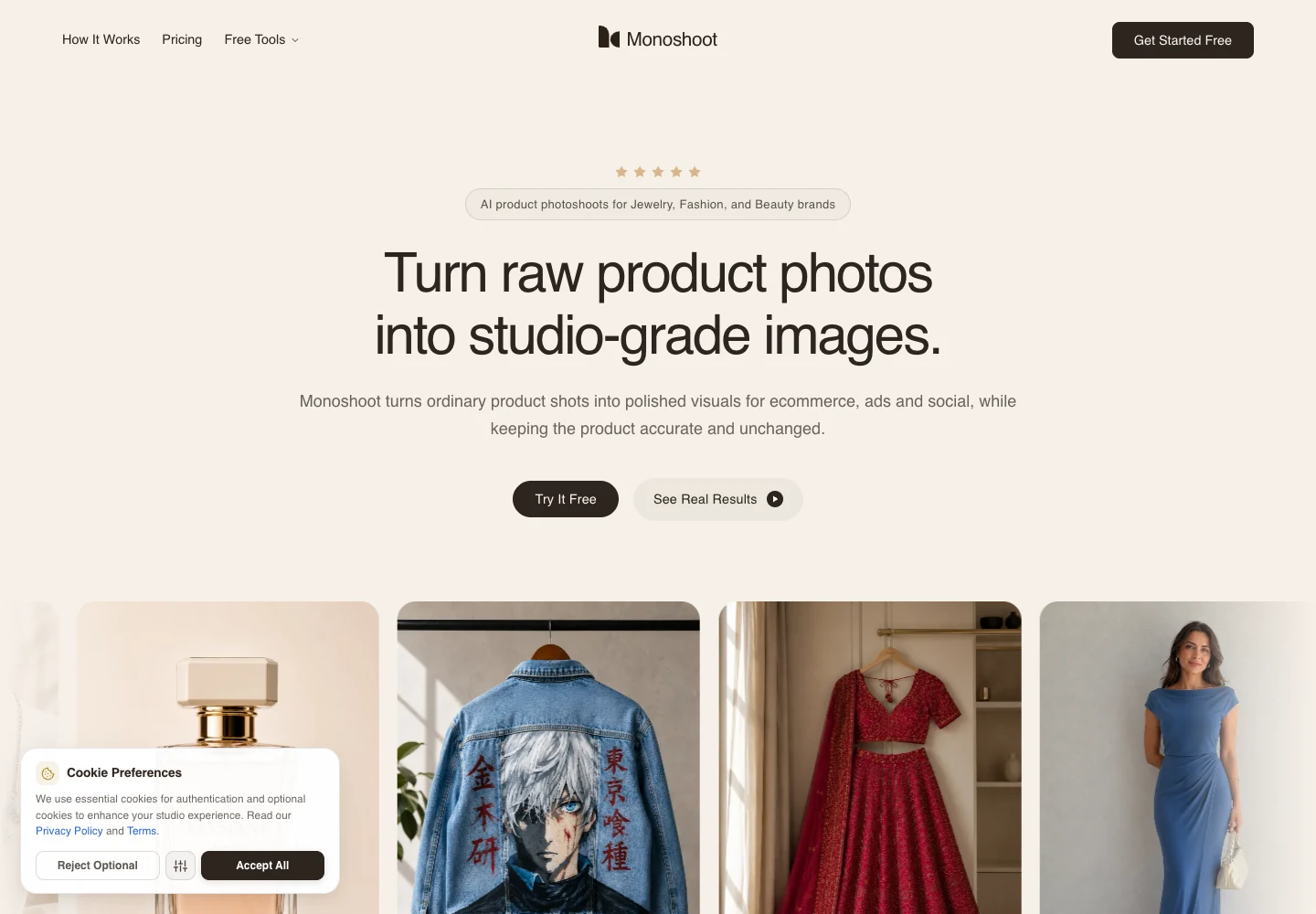
Brand · Website · PlatformA trial-led route into an AI photography product. We built its brand, public website, and platform, with product and growth work continuing.
Explore the projectSAAS WEB DESIGN AGENCY
A clearer story. A website your team can grow.
We design, build, and redesign websites that help software buyers understand your product, evaluate the fit, and take the next step.
Strategy → Design → Development → Launch
 Website design & development
For software teams with
something worth explaining.
01 / WORK YOU CAN EXPLORE
Two different buyer journeys: a product trial and a guided demo. See the live work and our role in each.
A trial-led route into an AI photography product. We built its brand, public website, and platform, with product and growth work continuing.
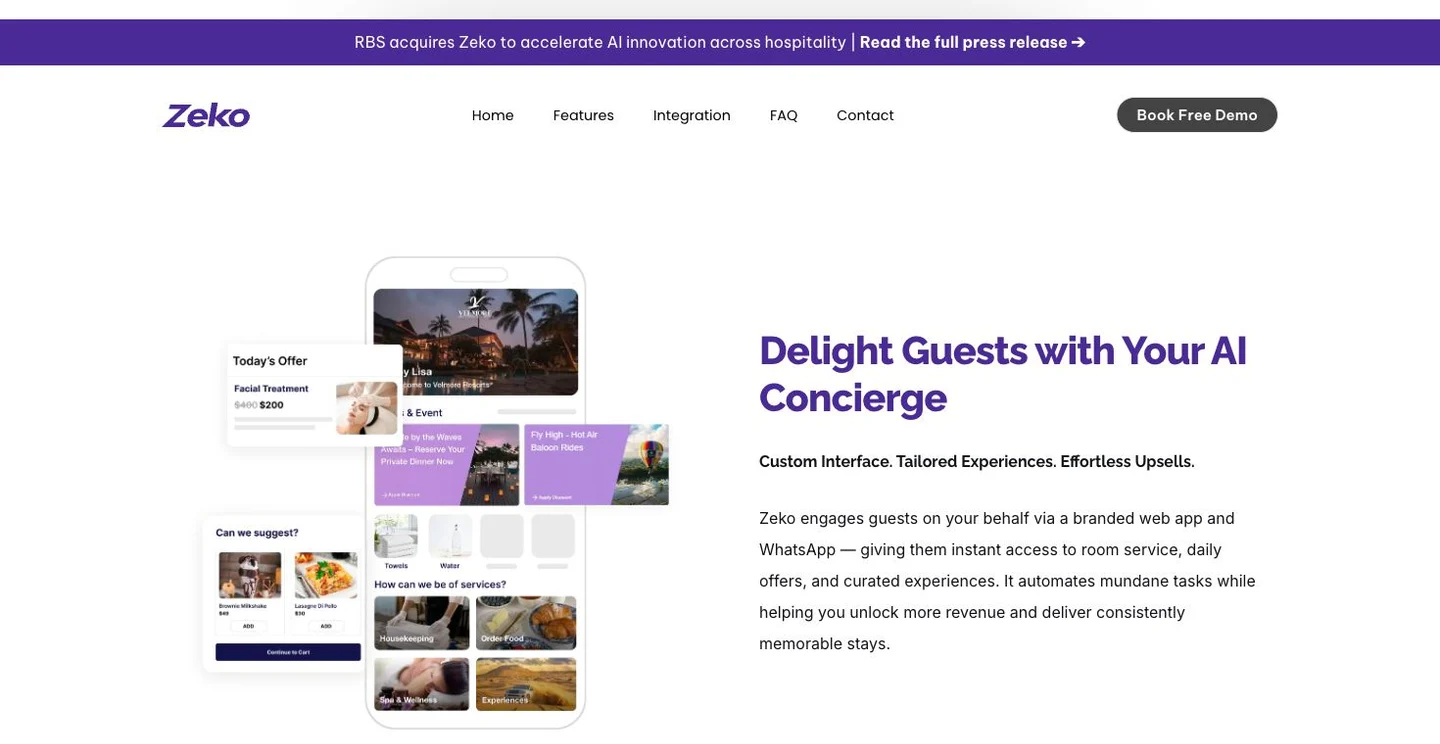
Explore the projectA demo-led website for hospitality software. We designed and developed the site and continue maintaining and managing it.
Explore the projectExplore the published project scopes and public websites in each case study.
LOOK CLOSER AT THE WORK
Explore the imagery, the page, and the mobile presentation.

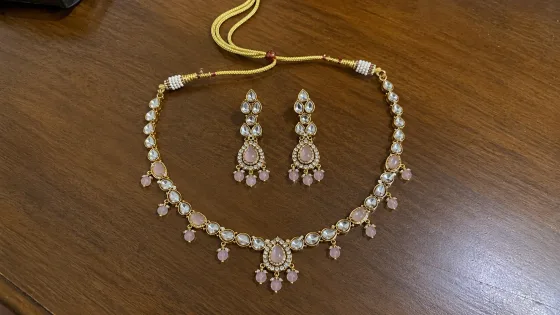
The input and the output help explain an AI photography product. Real product examples give a buyer something specific to evaluate alongside the copy.
Product imagery, a clear value proposition, and a demo path work together on a larger screen. Navigation gives visitors routes into features and integrations.

A mobile layout needs its own review of hierarchy, spacing, readable content, and navigation. We check the path to the next step alongside the page design.
02 / SAAS WEBSITE DESIGN SERVICES
Your website needs a product story, a useful experience, and a team that can ship both.
Understand the scopeStart with what your product does, who it helps, and what buyers need to believe before they act. Review your existing site, search opportunities, sales questions, and available customer evidence.
What you leave withA prioritized sitemap, page briefs, and a clear content responsibility list.
Translate the product story into responsive layouts, useful product visuals, and clear navigation. Design key journeys across desktop and mobile, including the states around forms and calls to action.
What you leave withApproved page designs, reusable components, and the interactions agreed in scope.
Build the site and connect the publishing workflow, forms, and integrations your team actually needs. Our core development stack includes Astro, Next.js, and React; the architecture follows the requirements.
What you leave withA working website, agreed content templates, integration checks, and an editor walkthrough.
Review existing URLs and content before changing them. Test the new experience, agree the launch checks, and define who handles maintenance, new pages, and improvements after handover.
What you leave withA migration plan where needed, launch checklist, ownership handover, and agreed support scope.
03 / DESIGN AROUND THE DECISION
The right structure answers the next question. It gives each page a purpose and each buyer a sensible way forward.
An illustrative structure. The pages and paths depend on your product and buying journey.
Choose a page to see the buyer’s question, useful content, and a sample layout.
“Is this product for a team like ours?”
Audience, product value, a useful product view, relevant proof, and a clear next step.
Help visitors explore a relevant capability or start evaluating the product.
“How would it solve our problem?”
The workflow, capabilities, limitations, screenshots, and the people it helps.
Connect a real workflow to a relevant demo or trial, with enough detail to evaluate fit.
“Will it work with what we use?”
Supported connections, setup requirements, real documentation, and any constraints.
Make supported workflows and setup requirements clear, with links to actual documentation.
“What will it cost, and what is included?”
Accurate plan differences, billing terms, usage limits, and a route for pricing questions.
Let buyers compare plans and choose a suitable evaluation or sales path without surprises.
“What happens when I take the next step?”
Who the next step suits, what happens afterward, and only the information the process needs.
Explain the commitment, the process, and what a buyer should expect after taking action.
04 / A WEBSITE YOUR TEAM CAN USE
A CMS is useful when it matches how your team works. We define the content your team needs to change, then build reusable templates and a publishing workflow around it.
Content editing and layout development are different tasks. We make that boundary clear, along with CMS subscriptions and any ongoing development needs.
How Astro connects to a CMS05 / SAAS WEBSITE REDESIGN
Before replacing a website, understand what already works. Keep useful content and valuable URLs in view while improving the design, structure, and publishing experience.
Read our redesign SEO guideInventory URLs, useful content, search performance, and existing conversion events.
Keep relevant URLs where possible. Map changed pages to genuinely equivalent destinations.
Check redirects, metadata, canonicals, links, mobile layouts, forms, and the sitemap.
Remove staging restrictions from the public site and monitor crawling, traffic, and key journeys.
Significant changes can cause search ranking fluctuations while pages are recrawled. Our process follows Google’s site-move guidance; it cannot guarantee unchanged rankings.
06 / QUALITY YOU CAN CHECK
Clear content, responsive layouts, accessible interactions, and technical foundations belong in the build plan.
Google’s “good” Core Web Vitals thresholds give us measurable experience targets.
Assessed at the 75th percentile, separately for mobile and desktop. Lab tests guide the build; real-user data is needed to establish a field pass.
Measurement reference: web.dev ↗We check keyboard navigation, visible focus, readable contrast, headings, image alternatives, and understandable form labels and errors.
The proposal defines the accessibility checks. A formal WCAG conformance audit is a separate scope when required.
Form accessibility reference: W3C WAI ↗Meaningful page titles, useful headings, crawlable links, canonical URLs, a sitemap, and structured data that matches visible content.
The launch build and ongoing search growth are separate scopes. Content expansion and continuing SEO can follow an agreed roadmap.
Explore B2B SaaS SEO ↗07 / SCOPE, COST & TIMING
The right engagement depends on what needs to change and how ready your content, team, and product are.
For a launch or a product that needs its first complete marketing site.
For a site that no longer explains the product or supports the team’s needs.
For a clear bottleneck that can be addressed without rebuilding everything.
Distinct page templates, content and product visuals, CMS workflows, integrations, migration, languages, and review complexity. We quote after reviewing these together.
Deliverables, revision rounds, responsibilities, exclusions, milestones, handover, and support. Project fees and recurring hosting, CMS, and third-party costs should be separated.
Review the product, content, website, and audience. Agree the sitemap and priorities.
A product walkthrough, existing site and content, buyer questions, and access to available analytics.
The priority pages, success criteria, content owners, and the scope that needs a proposal.
Develop the page story and responsive designs. Review product visuals and key journeys.
Product screenshots or access, factual copy reviews, customer permissions, and consolidated design feedback.
Page layouts, content direction, reusable components, and the important desktop and mobile journeys.
Develop templates, connect content, and implement the agreed forms and integrations.
Approved content and designs, integration details, account access, and a person to review the CMS workflow.
Working templates, content editing, integration behavior, and the changes ready for launch testing.
Test content, devices, accessibility, and migration. Walk through editing and handover.
Final content checks, a launch approver, account ownership details, and the people who will manage the site.
Launch checks, agreed redirects, editor handover, issue ownership, and post-launch monitoring responsibilities.
This is a planning example, not a fixed turnaround. Content readiness, template count, integrations, migration, and review delays can change the schedule. The proposal confirms the actual milestones.
08 / LEAVE WITH SOMETHING USEFUL
Three choices to help frame a useful first conversation. Keep the brief for your team or bring it to a project call.
Download the full brief templateNo email gate. Your selections stay in this browser.
09 / A FEW PRACTICAL ANSWERS
More about our SaaS web design service, the project, and what happens afterward.
Meet the founderA SaaS web design agency helps software companies explain their product and guide prospective customers through a marketing website. Our work can include product messaging, site structure, responsive design, development, CMS setup, forms, technical SEO, and launch planning. The proposal specifies which of these are included.
This service focuses on the public marketing website: the pages buyers use to understand and evaluate your software. Application dashboards, authentication, billing logic, and onboarding inside the product are separate scopes. We can discuss product development too; Monoshoot is an example of our broader website and platform work.
We quote after reviewing your goals, existing website, and delivery requirements. The main cost drivers are the number of distinct page templates, content and product-visual work, CMS requirements, integrations, migration, and review complexity. Your proposal separates the project fee from recurring hosting, CMS, third-party tools, and any ongoing support. A page count alone is not enough to give a useful price.
The eight-week example on this page illustrates one possible sequence for an agreed marketing-site scope; it is not a fixed turnaround or a record of past delivery times. The actual schedule depends on content readiness, templates, integrations, migration, and review turnaround. We confirm milestones, responsibilities, and dependencies in the proposal.
Yes, when a CMS and editor workflow are included in the scope. We agree which content your team can edit, which templates they can reuse, and how preview, review, and publishing should work. Changes to layouts, integrations, or new component types may still need development. We review the workflow with the people who will use it before handover.
Yes. We review valuable pages and existing URLs, plan relevant redirects for changed URLs, check metadata, internal links, canonicals and sitemaps, and test the launch. We also agree a post-launch monitoring plan. Search positions can fluctuate during significant changes; no redesign can guarantee unchanged rankings.
We can scope page messaging, copy, and product visuals alongside design and development. Your team provides product access or screenshots, factual details, customer permissions, and a reviewer who can approve product claims. The proposal makes clear what we create, what you supply, and when each item is needed.
No. We design clearer product explanations and conversion paths, and can scope measurement for CTA clicks, completed forms, or trial handoffs. Outcomes also depend on traffic quality, product-market fit, the offer, and the sales or onboarding experience. We agree which events and business outcomes to review rather than promise a conversion uplift without evidence.
The proposal defines the handover of the source code, design files, content, and account access, along with any third-party license restrictions. We also agree who owns hosting and CMS accounts, the post-launch support period, and whether ongoing care is needed. New pages, maintenance, and continuing SEO are scoped explicitly.
LET’S MAKE THE NEXT STEP CLEAR.
Bring your product, your current site, or the idea you’re ready to build. We’ll talk through the scope that makes sense.